
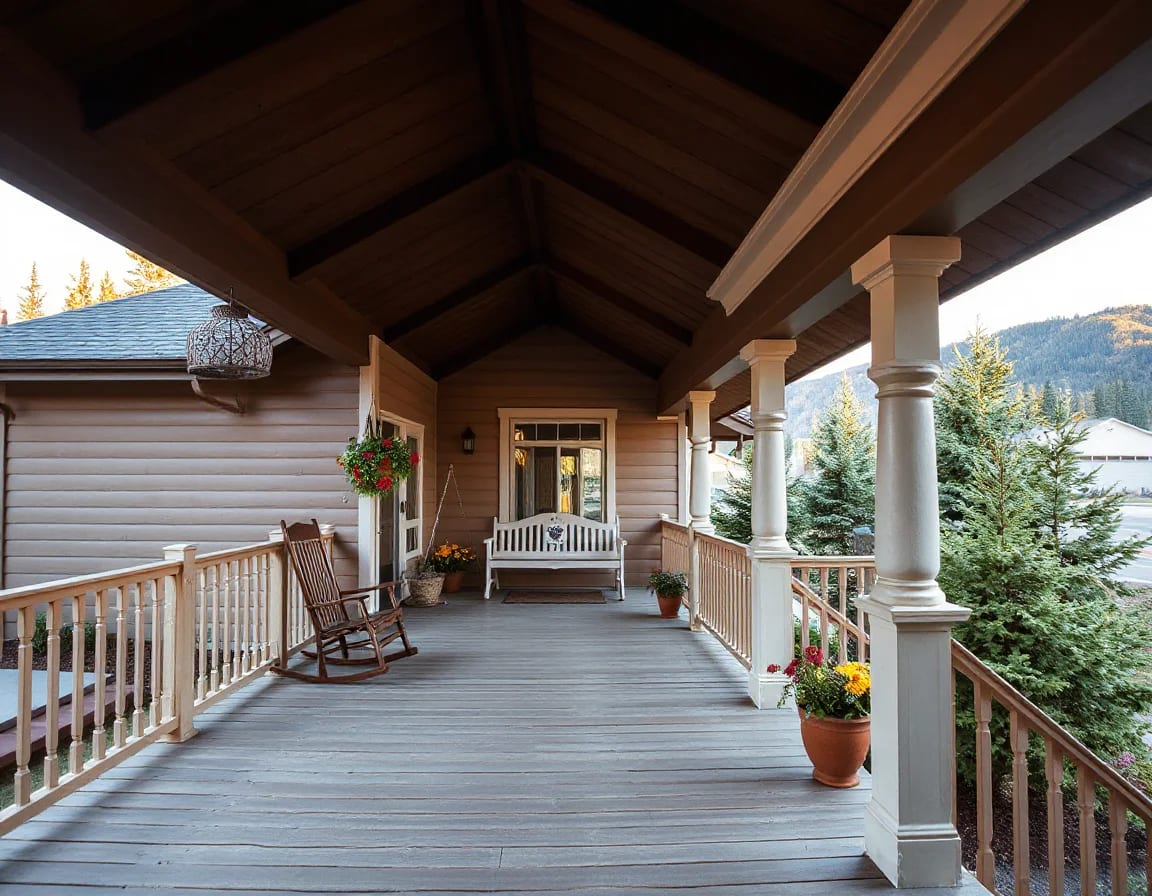
A forest-edge setting can be one of a Libby home’s most memorable features, but it needs thoughtful preparation before the first listing photos and showings. By clarifying access, highlighting usable outdoor space, and presenting the home as carefully maintained, sellers can help buyers understand both the setting and the property’s day-to-day practicality.
Start With the Experience of Arriving Home
A home near the trees offers a sense of place that is distinctly Northwest Montana: filtered light, seasonal color, privacy created by the landscape, and a connection to the Cabinet Mountains region. For a seller, the goal is not to make the setting look overly polished or generic. It is to make the property easy to understand at first glance, from the road and driveway to the front entry and the first view from inside.
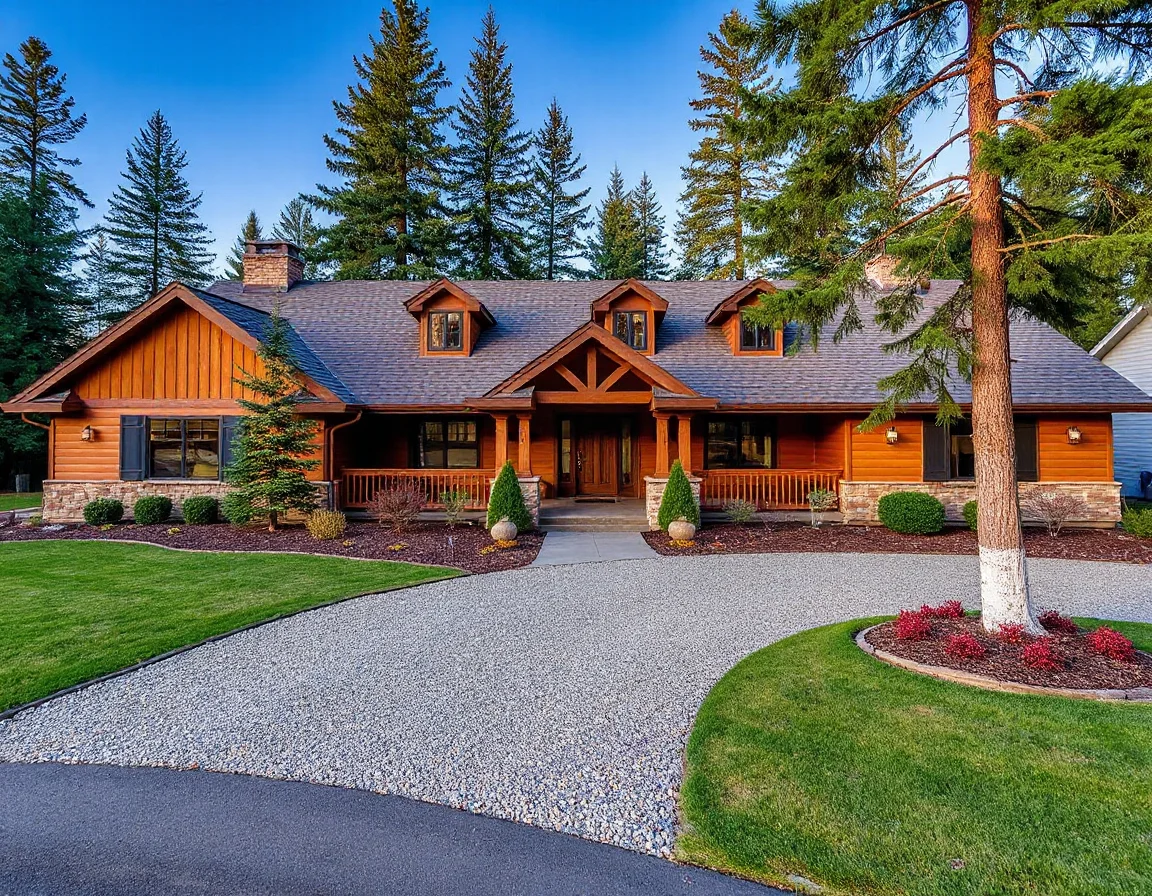
Begin at the property line. Trim back brush that crowds the driveway, remove fallen branches, and make sure address numbers are visible from the approach. If the home uses a shared drive, private road, easement, gate, or gravel access, gather the relevant documents early. Buyers appreciate a clear explanation of how they arrive, park, turn around, and access the home in changing weather.
Walk the route as if you were seeing it for the first time. Repair loose steps, refresh worn railings, clear needles and leaves from entry paths, and check exterior lighting. A clean path does more than improve curb appeal; it helps visitors focus on the home’s details rather than wondering where to step next. If there is a detached garage, shed, woodshed, or workshop, make each structure easy to open, inspect, and photograph.
In a forest-edge listing, the driveway and entry sequence are part of the showing experience. Clear access, visible house numbers, and a defined parking area can answer practical questions before they become distractions.
Outdoor maintenance should also be honest and useful. Rake accumulated debris from around the foundation, inspect gutters and downspouts, and keep combustible materials appropriately managed according to local guidance and property needs. Sellers should avoid making broad claims about fire protection or road conditions; instead, provide factual maintenance records, improvement details, and any available information about services or access arrangements.
Make the Forest Setting Feel Intentional
The trees are often a major visual asset, yet dense growth can hide the home’s best angles. Selective cleanup can reveal the architecture without stripping away the character that makes the setting appealing. Focus on removing deadfall, hauling away piles of unused materials, and opening modest sightlines toward porches, decks, garden areas, or mountain-facing clearings where appropriate.
Think in terms of usable zones. A buyer should be able to see where outdoor meals, gardening, wood storage, equipment parking, or quiet morning coffee might take place. Define those areas with simple maintenance: sweep the deck, arrange durable outdoor furniture, stack firewood neatly, and keep hoses, tools, and seasonal gear organized. The objective is not to stage an elaborate wilderness scene. It is to show how the property functions throughout the year.

Photography benefits from this preparation, especially when natural light moves through the trees. Ask for exterior photos at a time of day that shows the home clearly rather than leaving key spaces in deep shadow. Interior images can also use the forest as a backdrop: open window coverings, clean the glass, and arrange rooms so views toward mature trees, a deck, or the yard read as an inviting feature rather than a dark wall of greenery.
For properties with acreage or a larger wooded parcel, a simple property map can be valuable. It may help illustrate approximate boundaries, driveways, building locations, trails, utility features, and open areas, while remaining clear about what is verified. Survey documents, well records, septic information, permits, and receipts for recent work are all useful materials to organize with a real estate professional before launch.
The strongest listing materials pair atmosphere with specifics: show the wooded setting, then support it with clear information about access, improvements, utilities, and the spaces buyers can use.
A forest-edge home can also have seasonal considerations that deserve attention. Test exterior fixtures, check for drainage concerns after rain, service heating equipment as needed, and make sure the home is comfortable for showings. If the property has a well, septic system, generator, wood stove, propane tank, or other specialized features, compile service dates and manuals. Practical documentation gives buyers a fuller picture of ownership and can make conversations after an offer more efficient.
Prepare Interiors for Light, Warmth, and Function
Inside, forest-edge homes often shine when their materials and proportions are allowed to speak for themselves. Wood trim, stone hearths, picture windows, mudrooms, built-in storage, and covered porches can all be meaningful selling points. The best preparation is usually editing rather than adding: remove excess furniture, clear countertops, and make pathways between rooms straightforward.
A careful cleaning plan matters in a wooded environment. Wash windows inside and out, vacuum around baseboards and vents, dust ceiling fans, and remove pet hair or lingering odors. Pay extra attention to entry areas, utility rooms, and storage spaces, where boots, coats, wood, outdoor equipment, and seasonal supplies can quickly make a home feel crowded. A tidy mudroom or landing area signals that the property is equipped for everyday routines.
Use comfortable but neutral staging. A folded throw, a simple lamp, fresh linens, and a few natural textures can add warmth without competing with the home’s architecture. Keep fireplaces, stoves, and heating features clean and ready to view, but do not imply that a particular feature is suitable for every buyer’s needs. Accurate descriptions of the appliance, fuel source, and documented maintenance are more useful than broad promises.
Before photography and showings, make a room-by-room list of small fixes: replace burned-out bulbs, touch up paint, tighten cabinet hardware, repair torn screens, and address any noticeable drips or sticking doors. These items may seem minor, yet they shape a visitor’s impression of how consistently the home has been cared for. A strong debut is often built from dozens of quiet details handled in advance.
Launch With Clear Information and a Local Strategy
Pricing and presentation work best together. A forest-edge home should be compared with properties that share meaningful characteristics, such as condition, lot configuration, access, views, outbuildings, updates, and proximity to Libby amenities. A broad comparison based only on bedroom count or square footage can miss the elements that influence a buyer’s evaluation of a rural or semi-rural setting.
Trailhead Realty Group can help sellers shape a launch plan around the home’s actual strengths, not a one-size-fits-all checklist. That may include reviewing preparation priorities, coordinating professional photography, identifying documents to have ready, and deciding how to describe features precisely. The result should feel welcoming and informative to every prospective buyer: a property that presents its setting with confidence while making the practical details easy to evaluate.
A well-prepared forest-edge home does not need to be transformed into something it is not. It simply needs a clear story: how visitors arrive, how the home is maintained, where daily life happens indoors and out, and what makes the Libby setting distinctive. When that story is supported by clean presentation and reliable details, the debut can create a lasting first impression from the very first showing.