
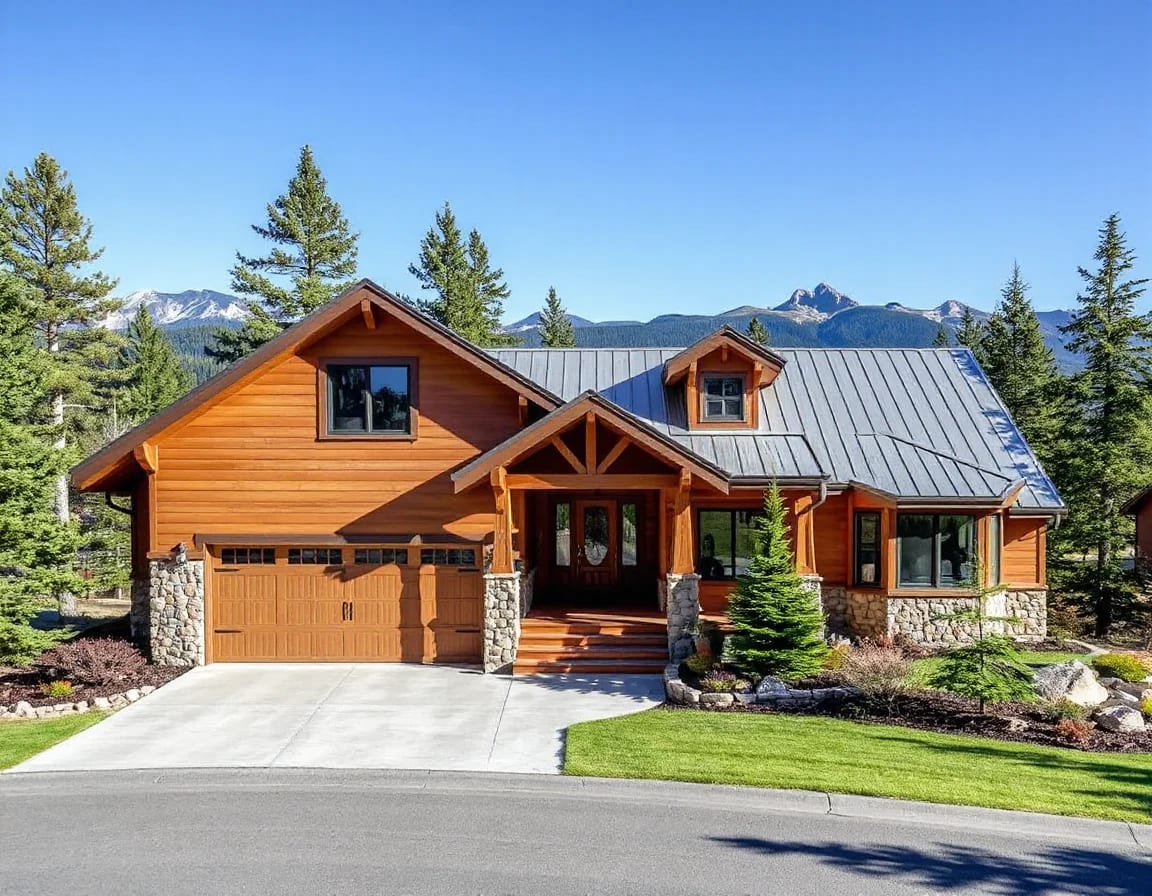
Selling in Essex calls for more than a listing price and a few photographs. A confident sale starts with a clear plan for presenting mountain-property features, preparing practical records, and reaching buyers who understand the value of access, setting, and year-round ownership. With thoughtful preparation, sellers can make each showing and offer decision feel more manageable.
Start With a Clear Picture of Your Property
Essex, Montana has a distinct real estate setting: mountain views, proximity to outdoor recreation, rail history, and a location along U.S. Highway 2 near the southern edge of Glacier National Park. That setting can be a meaningful part of a home’s appeal, but successful pricing should begin with the property itself. Size, condition, acreage, road access, utility systems, recent improvements, and maintenance needs all influence how a home compares with other available options.
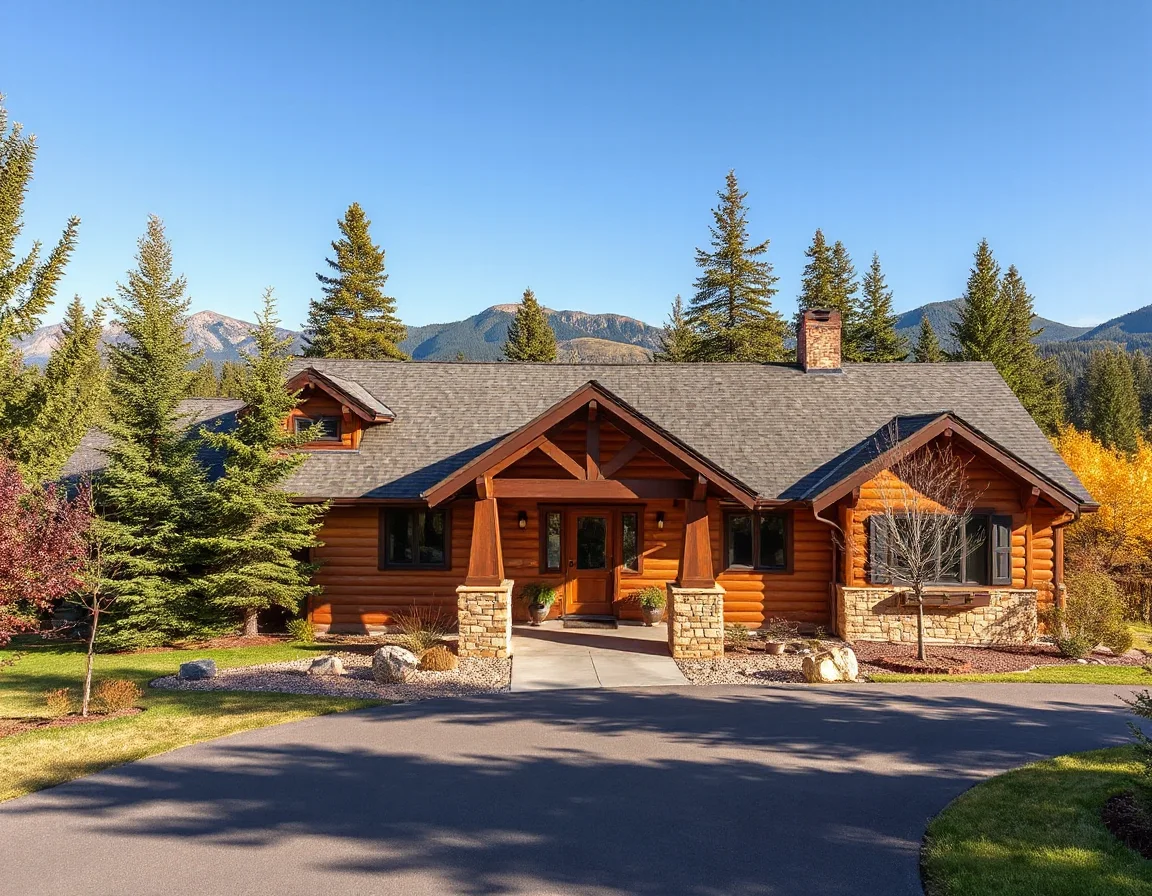
Before choosing a price, gather the details that help a buyer understand what they are evaluating. Useful materials may include property tax information, a survey if available, well and septic records, utility history, permits, invoices for major repairs, appliance information, and notes about road or driveway maintenance. A straightforward packet of information can reduce uncertainty and make follow-up questions easier to answer.
It is also helpful to distinguish between features that are visible in a showing and features that need explanation. A newer roof, updated heating equipment, improved insulation, generator connection, storage building, or carefully maintained access road may not create the same first impression as a mountain view, yet these practical improvements can be important to a buyer considering ownership in a four-season climate.
In a mountain market, the details behind the walls and beyond the driveway can carry as much weight as finishes inside the home. Organizing records before the listing goes live keeps those details ready when interest arrives.
Comparative market analysis should focus on recent sales, current competition, and the ways each property differs. In a smaller market, exact matches are not always available, so condition, location, usable land, access, and property systems deserve careful consideration. A price that reflects the market and the home’s specific strengths can attract serious attention without leaving sellers guessing about the strategy.
Prepare for Showings in Every Season
Presentation matters, especially when a property’s surroundings are part of the experience. Sellers do not need to erase every sign of mountain living; they do need to make the home easy to understand. Begin with the essentials: declutter living areas, clean windows, replace burned-out bulbs, address obvious maintenance items, and create clear pathways through entryways, storage areas, and outdoor spaces.
For exterior preparation, focus on access and curb appeal. Trim back vegetation where appropriate, tidy porches and decks, store loose equipment, and make house numbers visible. If the property has a long drive, private road, gate, or shared access arrangement, provide clear directions and confirm that visitors can reach the home safely and conveniently for scheduled showings.
Seasonality deserves a plan of its own. During snowy months, snow removal, traction, exterior lighting, and a welcoming entry help show the property responsibly. In warmer months, photographs can highlight landscaping, outdoor seating, views, and the relationship between the home and its natural setting. The goal is not to promise a particular lifestyle; it is to show the property accurately and help buyers visualize its spaces, systems, and surroundings.

Professional photography should show both the broad story and the practical details. Bright, well-composed images of primary rooms, exterior elevations, decks, views, garages, and outbuildings can help online visitors orient themselves before scheduling a tour. Accurate captions and property descriptions should be equally specific, identifying features such as bedroom count, acreage, utility arrangements, parking, storage, and documented upgrades without overstating what the property offers.
A well-prepared showing also respects the buyer’s time. Keep key documents available, provide utility or system information when appropriate, and ensure pets, personal belongings, and private paperwork are managed before visitors arrive. These small steps help create a calm process even when showing schedules become busy.
Market the Setting Without Losing the Details
A strong marketing plan for an Essex home should balance atmosphere with facts. The area’s mountain landscape, nearby recreation opportunities, rail corridor, and access to Glacier Country can help provide context, while the listing itself needs to answer practical questions. Buyers commonly want to know about internet options, heating, water source, septic service, snow removal, road arrangements, parking, outbuildings, property boundaries, and the age or condition of significant systems.
Thoughtful marketing reaches beyond a single listing upload. It may include professional photography, targeted digital exposure, property-specific information sheets, responsive follow-up, and a showing strategy that accommodates the property’s location. Trailhead Realty Group’s locally rooted approach can be especially useful when a seller wants guidance that connects the home’s features to the realities of the surrounding Montana market.
Explore Essex area information
When discussing location, stick to objective, useful information. Mention nearby highways, public lands, trail access, scenic landmarks, services, and travel considerations where relevant. Avoid assumptions about what type of person might prefer the home. The most effective listing lets each prospective buyer decide how the property fits their own needs while providing reliable facts for an informed decision.
The best listing descriptions pair a memorable sense of place with concrete answers: how the home is configured, how it is maintained, and what buyers can verify before they write an offer.
Review Offers With the Whole Transaction in Mind
An offer is more than its headline price. Once interest turns into paperwork, sellers benefit from reviewing financing type, earnest money, requested contingencies, inspection timelines, proposed closing date, inclusions, and any credits or repairs being requested. A slightly different price may be worth considering when another offer has stronger terms, fewer uncertainties, or a timeline that better supports the seller’s next step.
Inspection and appraisal periods can be especially important for properties with private systems, acreage, older improvements, or specialized features. Sellers can prepare by understanding the home’s known conditions, maintaining accessible records, and responding to requests through an organized process. Disclosures should be complete and accurate; transparency is a practical tool for avoiding surprises later in the transaction.
If multiple offers arrive, a clear comparison helps keep emotions from taking over. Consider the full package, not just the number at the top of the page. Your real estate professional can explain deadlines, contractual obligations, and negotiation options so that you can decide which path aligns with your priorities.
Move From Listing Day to Closing With Confidence
A confident Essex sale is built in stages: accurate pricing, detailed preparation, compelling presentation, practical marketing, and careful offer review. Sellers who start early have more time to complete repairs, collect documents, schedule photography, and decide what they want from timing and terms. That preparation can make the process feel less reactive and more intentional.
Every property has its own story, whether it is a compact mountain retreat, a year-round residence, land with improvements, or a home with a long list of recent updates. Bringing that story together with honest property information gives buyers a clearer view and gives sellers a stronger foundation for the road ahead.