A mountain home near Essex can offer remarkable access to Montana scenery, trail networks, and the character of a small railroad community—but the best buying decision starts with practical questions. From year-round access and utilities to insurance, maintenance, and resale considerations, these seven questions can help you compare properties with more clarity before making an offer.
Start with the Setting, Then Look at the Details
Homes near Essex, Montana, come with a setting that is difficult to duplicate: forested slopes, changing seasons, dramatic weather, and close proximity to Glacier National Park’s western approaches. That scenery is part of the appeal, but it also makes the details of a property especially important. A house that looks effortless in summer can have very different needs during a snowy winter or a wet spring thaw.
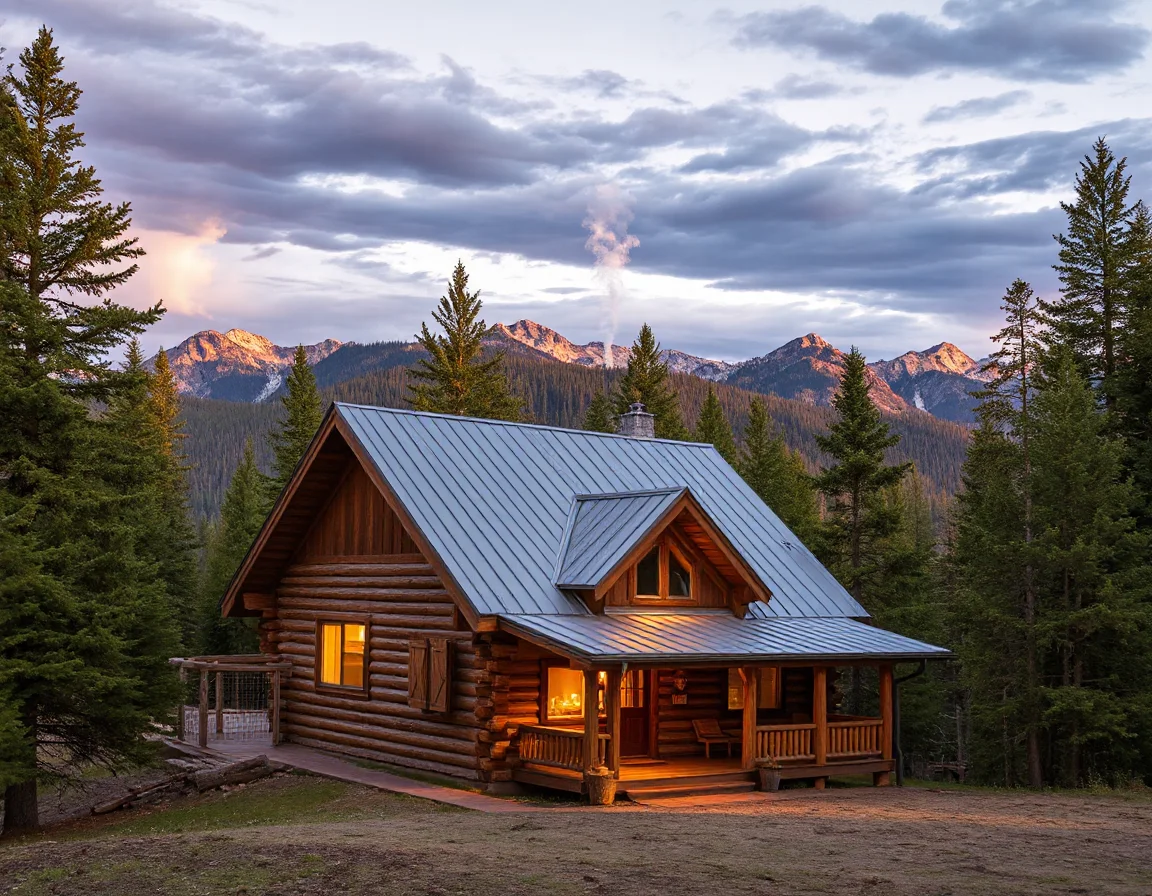
Rather than treating a mountain property as a standard checklist of bedrooms and finishes, approach it as a complete system. The road, roof, heating source, well, septic system, drainage, vegetation, and nearby public land can all affect day-to-day ownership. A thoughtful showing is the time to ask questions, take notes, and identify which items deserve a closer look during inspections.
1. Can the Property Be Reached Reliably Year-Round?
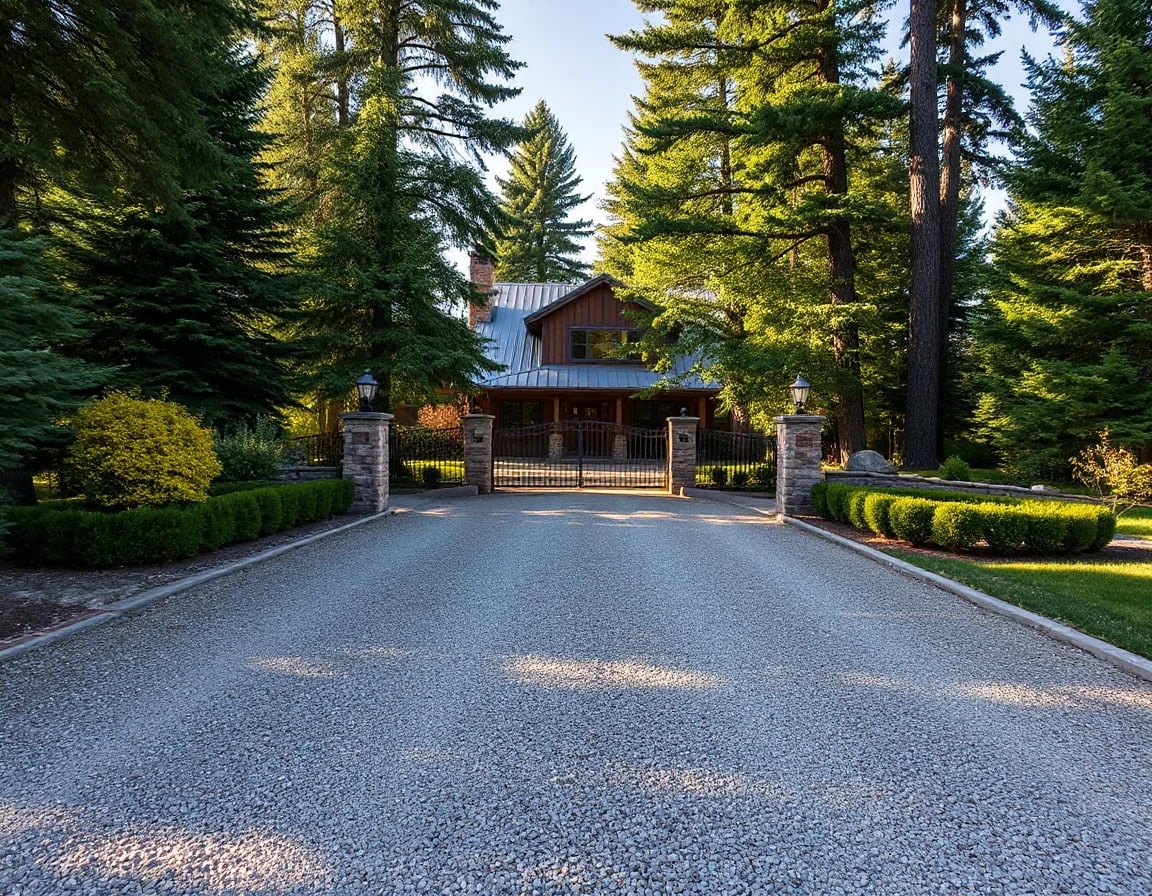
Ask how the road is maintained, who is responsible for plowing, and whether access is public, private, or shared through an easement. A private road agreement may spell out costs and responsibilities, while an informal arrangement can require more discussion before closing. Also consider the driveway itself: grade, drainage, turning space, snow storage, and the ability for service vehicles to reach the home can matter as much as the road leading to it.
It is helpful to visit at different times of day when possible and to ask for practical examples of seasonal access. For a rural or mountain property, the question is not simply whether a road exists—it is how it performs through snow, rain, freeze-thaw cycles, and routine maintenance.
A clear road-maintenance agreement and a realistic view of winter access can be just as valuable as an updated kitchen when comparing mountain homes.
2. What Are the Water, Septic, and Power Arrangements?
Many properties in the Essex area rely on private systems rather than municipal utilities. Ask whether the home is served by a well, spring, shared system, septic system, propane, electric heat, or a combination of sources. Request records when available, including well information, septic permits, service history, propane tank ownership, and recent utility costs.
These systems are not automatically a drawback; they are common features of Montana mountain living. The key is understanding capacity, condition, maintenance needs, and replacement planning. A qualified inspection team can help identify questions that go beyond a standard visual walkthrough, especially when a property has older equipment or several outbuildings.
3. How Does the Home Handle Snow, Water, and Weather?
Mountain weather rewards good construction and consistent upkeep. Look at roof age, roof pitch, gutters, snow-shedding areas, foundation drainage, exterior grading, window condition, and the location of mechanical equipment. Ask where snow accumulates, whether ice dams have occurred, and how runoff moves across the site during spring melt.
Pay close attention to the transition between the house and the land around it. A well-designed property directs water away from the foundation, provides usable access in changing conditions, and has exterior materials suited to the local climate. Maintenance records can reveal whether the current owner has addressed recurring concerns or completed meaningful improvements.
Questions That Shape the Long-Term Cost of Ownership
Once access and essential systems are understood, focus on the expenses and planning that continue after closing. Mountain homes can vary widely—from compact cabins to larger residences on wooded acreage—so monthly costs and maintenance schedules should be evaluated property by property instead of estimated from appearance alone.
4. What Will Insurance and Ongoing Maintenance Cost?
Before writing an offer, obtain an insurance quote based on the specific address and property features. Coverage availability, deductibles, wildfire-related considerations, roof condition, and distance from emergency services can affect the policy. It is also wise to budget for ordinary mountain-home tasks such as snow removal, tree work, driveway upkeep, chimney service, generator maintenance, and periodic exterior repairs.
A realistic ownership budget includes more than the mortgage payment. Ask for utility history, property tax information, HOA or road-association documents if applicable, and a list of contracted services. Planning for both expected maintenance and a reserve for unexpected repairs creates a more accurate picture of the home’s total cost.
5. What Are the Boundaries, Easements, and Land-Use Rules?
Scenic acreage can feel open and private, but the legal details of the parcel still matter. Review the survey or plat, title commitment, recorded easements, access rights, and any covenants that apply. An easement may permit a neighboring owner or utility provider to use part of the land, while local regulations may affect future additions, accessory structures, fencing, or other improvements.
For buyers considering a workshop, storage building, guest space, or substantial landscape changes, it is better to investigate feasibility before closing. Confirm zoning, permits, setbacks, and septic capacity with the appropriate local offices and qualified professionals. This is especially important when a home’s appeal is tied to the potential of its land.
When land is part of the purchase, verify what is documented—not just what appears usable during a showing. Boundaries, access, and improvement options should be confirmed early.
6. How Will the Home Be Used Through the Seasons?
Think through your own routine before deciding which features are essential. A full-time residence may place more emphasis on storage, reliable internet options, efficient heating, and convenient service access. A part-time property may require winterization plans, remote monitoring, caretaker arrangements, or systems that can be checked easily during periods away.
Ask about internet providers and actual service availability rather than relying on a coverage map. Confirm cell reception at the house, parking areas, and road approach. Consider where equipment, firewood, recreational gear, and seasonal supplies would be stored. These ordinary details often determine whether a home feels functional after the initial excitement of the views and setting.
7. What Will Matter When It Is Time to Sell?
Resale is worth considering even when a purchase is intended for the long term. Well-documented maintenance, dependable access, clear utility information, and thoughtful improvements can help future buyers understand a property with confidence. Features such as a durable roof, efficient heating, organized mechanical spaces, and a maintained driveway tend to be easier to explain and evaluate than unknown conditions.
Location within the broader Essex area can also shape demand. Proximity to trail access, transportation routes, public lands, and Glacier-area recreation may be appealing, but each buyer will weigh convenience, land, home condition, and budget differently. A local real estate professional can help put comparable properties and current inventory into context without relying on assumptions.
A Better Mountain-Home Purchase Begins with Better Questions
Buying near Essex is an opportunity to choose a home connected to Montana’s mountain landscape and outdoor rhythm. The strongest purchase is rarely the one with the shortest showing checklist; it is the one where access, systems, expenses, land details, and future plans all make sense together. Bring these seven questions to each property tour, allow time for due diligence, and use qualified local professionals to investigate the details that matter most.